
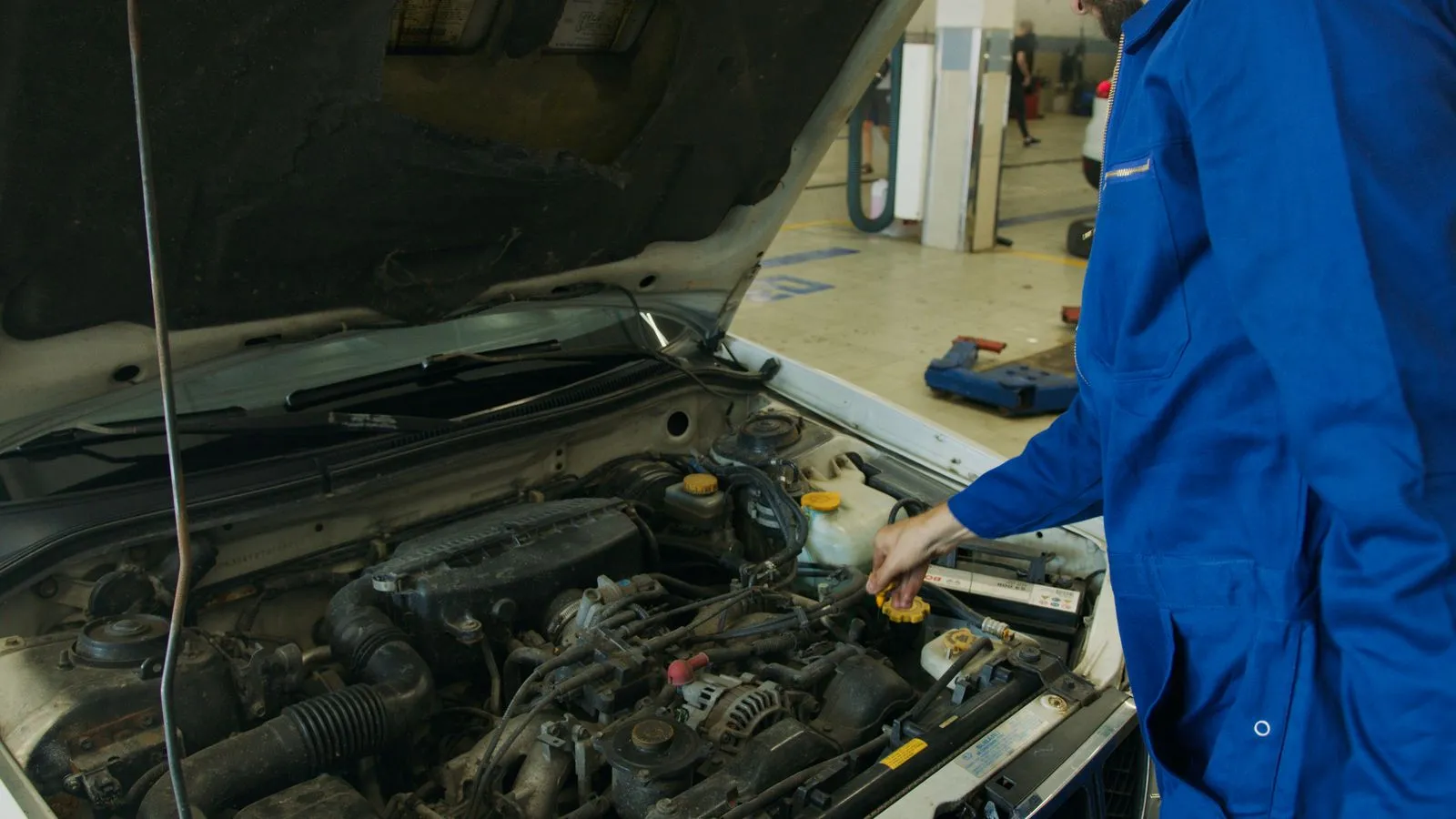
An illuminated check-engine light points to a system that needs attention, but it rarely identifies a failed part by itself. Engine diagnostic testing gives a technician a structured way to investigate the warning, understand what the vehicle is doing, and narrow down possible causes. The process combines information stored by the vehicle’s computer with your description of the symptoms and results from practical checks. Knowing what happens can help you understand why diagnosis comes before a repair recommendation.
Start With the Symptoms
A technician will ask when the problem began, what you noticed, and whether it happens under particular conditions. Note details such as rough idling, hesitation during acceleration, difficulty starting, unusual fuel use, or a warning light that flashes or stays on. Also mention recent repairs, refueling, or changes in how the vehicle runs. These clues help guide testing and may help reproduce an intermittent fault.
The technician may check the vehicle’s maintenance history and look for obvious issues, such as loose connections, damaged wiring, leaks, or disconnected hoses. This first inspection provides context before electronic readings are interpreted. A fault code can point toward a system, but a visible problem or a clear symptom pattern may help explain why the computer recorded it.
Read and Interpret Codes
A diagnostic scan tool connects to the vehicle’s onboard diagnostic system and retrieves stored fault codes. Depending on the vehicle and the issue, the scan may also show pending codes, freeze-frame information, and live data. Freeze-frame details record operating conditions around the time a fault was detected, such as engine speed or temperature. These details can help a technician understand when the problem occurred.
A code is a starting point, not a verdict that a named component has failed. For example, a code related to a sensor circuit can result from the sensor, its wiring, a connector, or another condition affecting the reading. Replacing a part based only on the code can miss the real cause. The technician compares the code with symptoms, vehicle-specific information, and test results.
Test the Likely Causes
After reviewing the scan and initial inspection, the technician forms a short list of possible causes. They may compare live sensor readings, inspect connectors, check wiring, or test related systems. The exact steps depend on the code and symptoms. If a fault appears only during a specific driving condition, the technician may need to reproduce that condition safely or monitor data while the engine is running.
Each test helps rule possibilities in or out. A sensor reading outside its expected range may prompt a check of the sensor’s power, ground, signal, and wiring before replacement. If readings look normal, the technician may investigate another part of the system or consider an intermittent connection. This step-by-step approach keeps the diagnosis focused instead of relying on guesswork or replacing parts without evidence.
Confirm Before Recommending Repairs
Once the likely cause is identified, the technician checks whether the findings match the original symptoms and recorded codes. Depending on the repair, confirmation may involve another measurement, a visual recheck, or running the engine and scanning it again. Clearing a code alone does not prove a problem is fixed; the vehicle may need to complete its checks before the system can confirm normal operation.
A clear explanation should distinguish the confirmed fault from possibilities that still need investigation. Ask what tests supported the conclusion, what repair is recommended, and how the result will be verified. If a warning light is flashing or the engine is running very poorly, limit driving and arrange professional advice, since continued operation could worsen damage.
Effective engine diagnostic testing connects fault codes to real symptoms and confirms the cause with targeted checks. That gives you a clearer basis for deciding on repairs and helps avoid replacing parts unnecessarily. Keep track of when symptoms occur and share those details with your technician. Brighton Engine Diagnostics can help investigate engine warnings and running problems; contact the shop to discuss your vehicle.